WHEN OVERSIGHT LOSES FOCUS
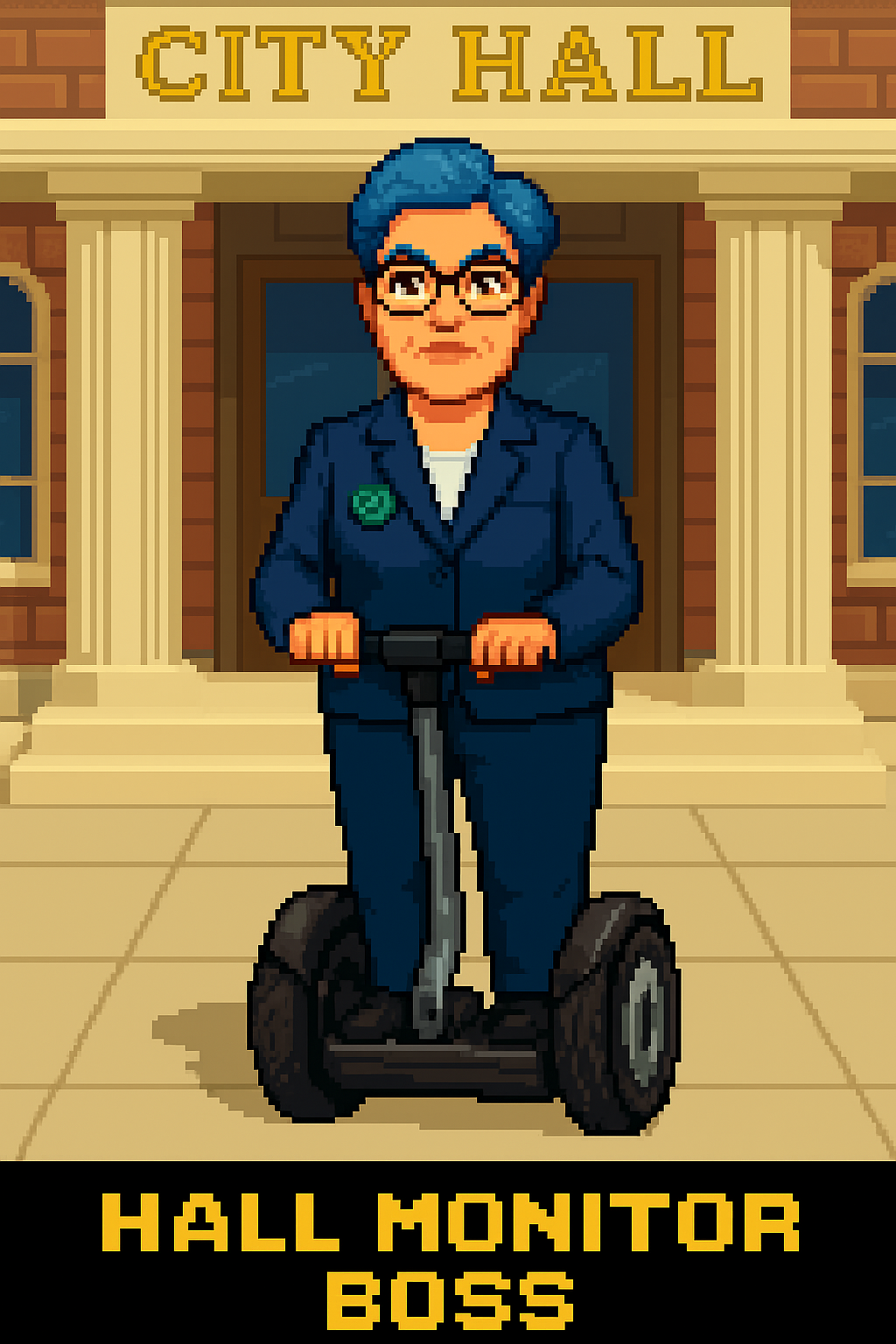
In politics, there is a rule that separates the rookies from the grizzled veterans: Not every complaint deserves oxygen.
That is especially true for the Broward County Office of the Inspector General, which was created to deal with waste, fraud, and abuse in local government. The kind of issues that cost taxpayers money and undermine trust.
But a watchdog only works if it knows what to watch, and that is where things start to slip. The job requires some political judgment and understanding. It requires knowing the difference between something serious and something loud.
Anyone who has been around campaigns knows this. You file a complaint, you trigger a review, you create a headline and put out comms saying your opponent is "under investigation by the Inspector General." Even if nothing comes of it, you still moved the ball a little. It makes your supporters feel good. The process becomes the point. The Inspector General Carol "Jodie" Breece, nothing more than a tool.
And that raises a question.
Why am I the one getting the tips?
Why was I asked to look into possible improper meetings and lobbying involving Dale Holness, various local elected officials and some clients of his, which also appear in his campaign finance reports? I will be digging into this in next week's article, but why am I the one interviewing people and not the IG?
How do I know about bureaucrats riding around in county-branded performance sports cars, 3-D virtual reality models of government buildings, and city attorneys that violate the cone of silence to rig a bid?
They didn't show up in Inspector General reports. They are showing up in my inbox.
People call me because they actually want something done. The same way that if they actually want to know what's happening in Broward politics, they read HelloFLA.
But over at the Inspector General's Office, the same myopic disputes keep resurfacing. Not because something new is being uncovered, but because the office keeps wading back into the same political fights looking for - hoping for - something to stick.
I have written about this before, including in "The Waste We Paid For" where I outlined how they acted like a political shop.
That pattern is still there: A minor issue based on a complaint from a political opponent becomes a lengthy report, followed by a press release, followed by another cycle of attention.
Over time, that rhythm starts to matter.
At a certain point, it starts to feel less like oversight and more like digging through a pair of bitter divorce filings hoping to find pay dirt. You might find something, but you are working from a source that needs to be taken with a full heaping teaspoon of salt.
An oversight office is supposed to filter noise, not amplify it. But what you see instead is a system that appears stuck reacting to whatever comes in next, particularly in Tamarac.
Like a dog barking at every passing car, the response becomes automatic. Movement alone is enough to trigger it.
But the real job of the Inspector General is not to chase every dispute that comes through the door. It is to identify meaningful waste, fraud and abuse across a county of nearly 2 million people.
That requires focus, prioritization and prosecutorial discretion. It requires the discipline to say no.
That's where the concern is growing.
Oversight only works if people believe it is serious, selective and grounded in common sense. Once it starts to look like just another arena for local political fights, that credibility begins to erode. Once it erodes, it's hard to get back.
There's supposed to be a check on all of this.
The Inspector General answers to a five member Selection and Oversight Committee, and the appointments to that committee come from local institutions. The Broward State Attorney's Office, led by Harold F. Pryor. The Broward Public Defender's Office, led by Gordon Weekes. The Broward League of Cities, currently led by Beverly Williams. And the Broward County Bar Association, led by Gordon J. Goldberg, as well as the Broward County Commission.
Unfortunately, we don't know who actually sits on the secretive oversight board. According to the County Charter, Pryor, Weekes, Williams and Goldberg are just the leaders of the organizations that get to appoint the actual members of this virtually unknown board.
The committee itself operates largely out of public view. There is no clear public roster, no readily available minutes and no consistent way for the public to see how decisions are made or how (or even IF) the Inspector General is evaluated.
For an office built on transparency, that is a problem.
You have an unelected office with broad investigative power, overseen by a committee most residents could not find information on, appointed by institutions that do not clearly show their work, all while that office is being pulled into ongoing political disputes.
That's a system that's starting to look fully integrated into the political environment it was never intended to police.
And once that line is crossed, the IG is no longer standing above the fray. She's in it. Picking targets. Reacting to noise. Becoming another lever that can be pulled in a political fight. That's just politics with a badge and subpoena power.
That's not what the public was promised, and it's not what taxpayers are paying for.